web size heart banner

Advancing Noninvasive Cardiac Monitoring and Diagnostics

HEART Lab develops noninvasive tools for cardiac monitoring and physiological assessment using biosignals, AI, and computational modeling.

Core Research Areas

Cardiac Monitoring

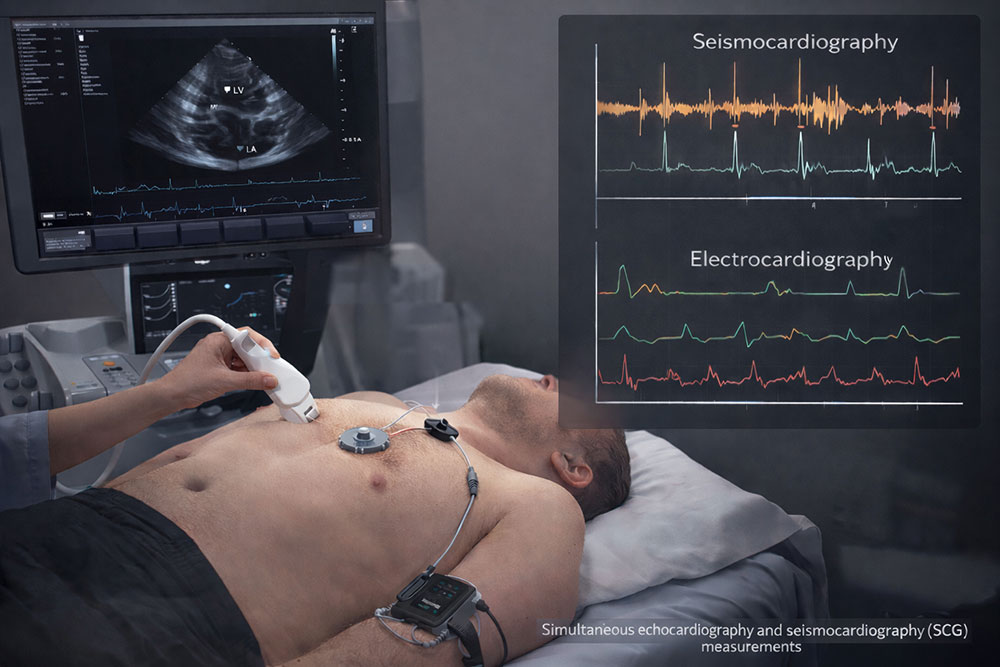
Heart sounds, vibrations, ECG, PPG, and multimodal physiological sensing for noninvasive assessment.

Signal Analytics

Advanced signal processing, feature extraction, variability analysis, and interpretable machine learning.
Computational Modeling

Physics-based and data-guided models that connect measurable signals with cardiac mechanics and hemodynamics.

AI-Driven Physiological Analytics

Machine learning methods for interpreting physiological signals, classification, prediction, and decision support.
Current Focus

Translational Diagnostics:
Noninvasive Cardiac Function Estimation

Estimating clinically meaningful cardiac function markers from noninvasive signals such as cardiac vibrations, ECG, and related physiological measurements.
This work explores how subtle external physiological signals can be used to estimate markers of cardiac performance without invasive procedures. The project combines synchronized biosignal acquisition, signal-quality assessment, feature engineering, and modeling strategies to relate measurable waveforms to underlying functional indicators."

Biomarker Analytics:
Physiological Biomarker Analytics for Stress and Pain Response

Analyzing cardiac biomarkers and other physiological biomarkers to detect and characterize stress and pain responses.
This project focuses on extracting and interpreting physiological biomarkers linked to stress and pain responses. Emphasis is placed on cardiac biomarkers together with autonomic and physiological biomarkers derived from multimodal measurements.

Computational Physiology:
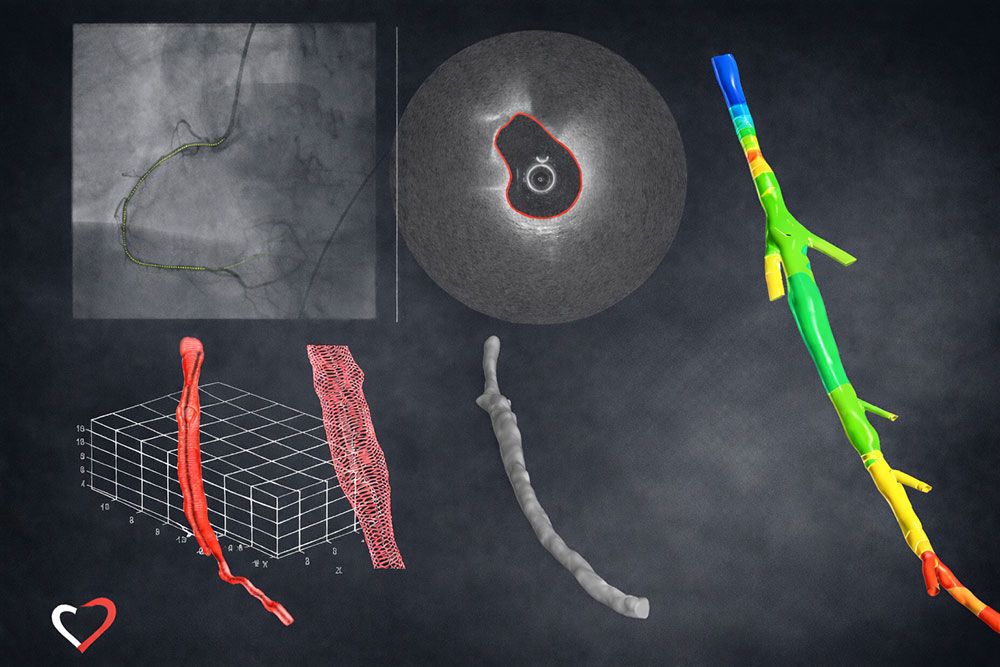
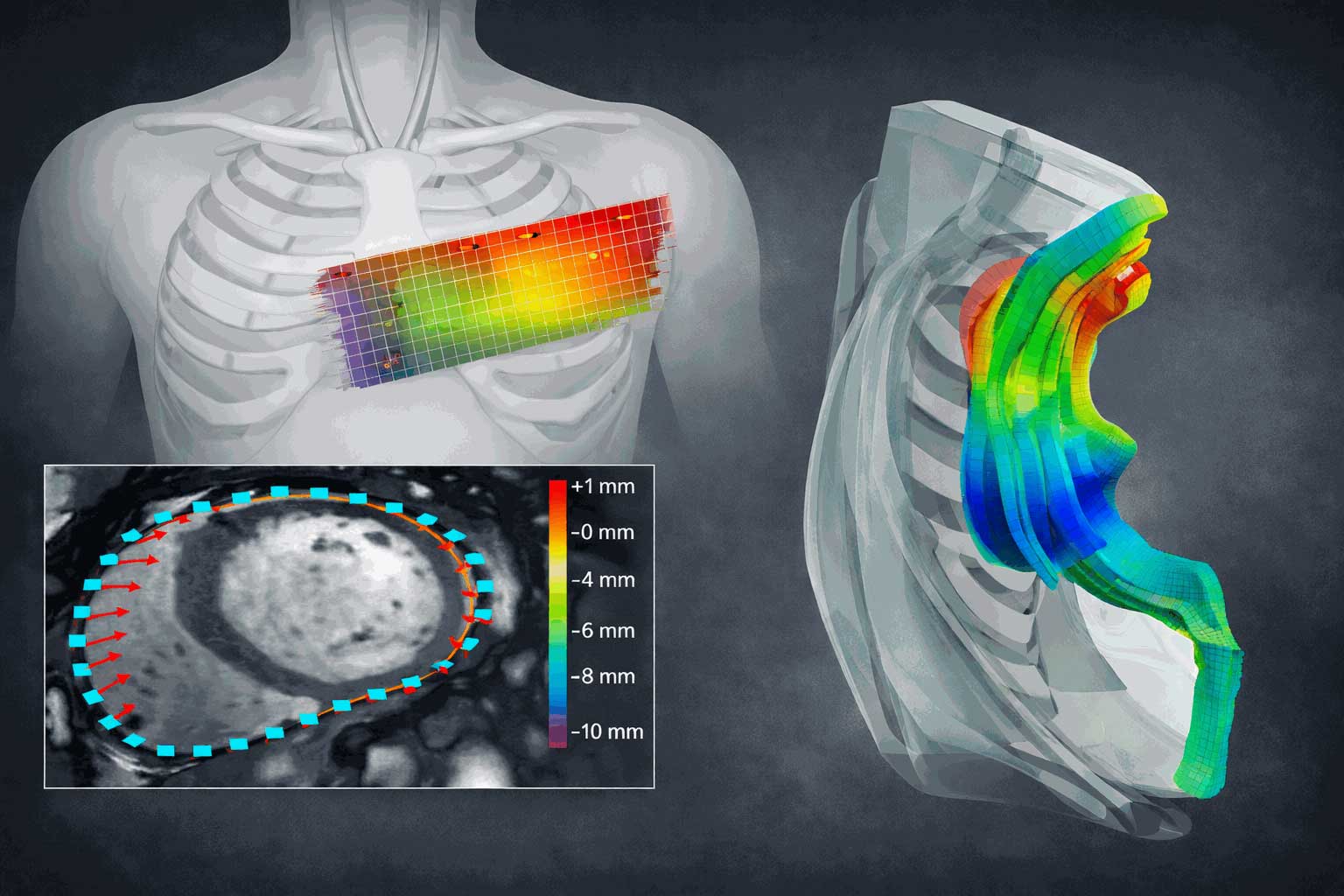
Computational Modeling of Cardiac Mechanics and Hemodynamics

Modeling cardiac mechanics and hemodynamics to connect measurable signals with underlying physiological function.
This project uses computational approaches that represent cardiac mechanics and hemodynamics to better interpret noninvasive measurements and improve physiological interpretability.

Grant Support

Collaborative grant activity focused on translational cardiovascular research and cross-institutional development.

NIH-Supported Wearable and Applied Health Technology Collaboration

Industry-academic collaboration supporting wearable sensing and applied digital health innovation.